The focus of marketing automation is not to send out more messages, but rather to provide the right customers with useful information at the right time.
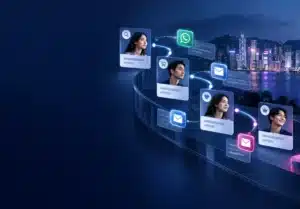
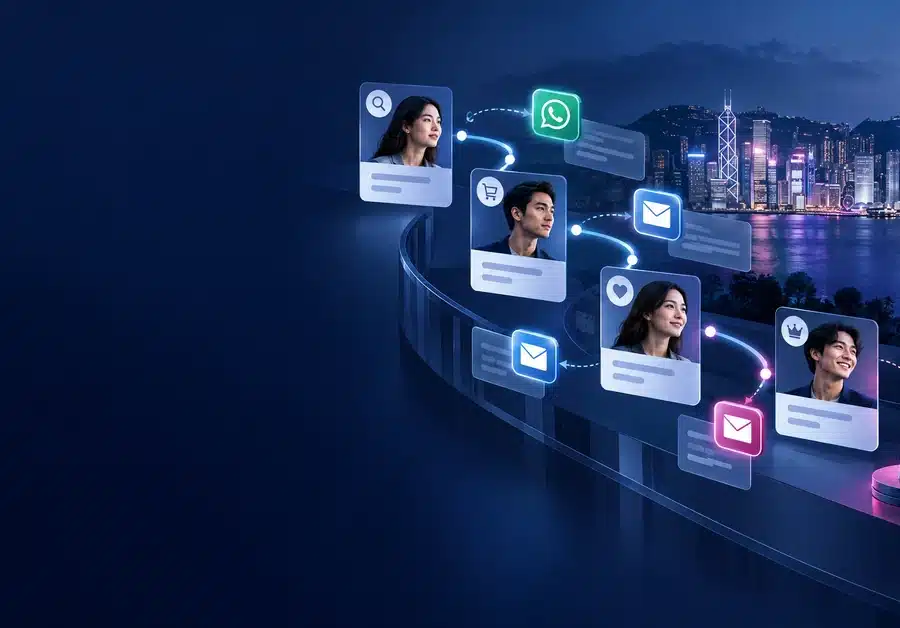
The customer engagement journey encompasses several stages: initial contact, inquiries, quotations, purchases, usage, renewals, and referrals. Each stage carries distinct needs: a new inquirer may require information about services, an existing customer might need usage tips, and a customer who has been inactive for a long period may need to be reacquainted with the brand.
Companies can segment customers based on criteria such as acquisition source, purchase history, service status, engagement behavior, or contract expiration dates, and then tailor messages accordingly. For instance, you might send a confirmation and instructions on the next steps after a form submission, provide timely follow-ups after issuing a quote, solicit feedback upon service completion, or share renewal information as a membership nears its expiration. Every automated workflow should include “exit criteria” to ensure that customers do not continue to receive irrelevant promotional content after completing a transaction.
Performance evaluation should extend beyond open rates; businesses should also track outcomes such as replies, appointment bookings, inquiries, and closed sales. If a specific message yields a high open rate but fails to drive subsequent action, it is necessary to review the content, the call-to-action (CTA), or the target audience.
Automation cannot replace authentic communication from a brand. Businesses must carefully manage the volume and frequency of messages, while ensuring compliance with requirements regarding customer consent and personal data handling.
Adaptive integrates customer segmentation, email marketing (EDM), WhatsApp, CRM events, and performance reporting, enabling the creation of sustainable, long-term marketing workflows.
Frequently Asked Questions (FAQ)
Q: What is the difference between marketing automation and mass messaging?
A: Marketing automation triggers messages based on a customer’s stage, behavior, or specific events; mass messaging, by contrast, typically sends the same content to a larger group of customers.
Q: What performance metrics should be monitored for marketing automation?
A: Beyond open rates, you should also track outcomes such as responses, appointments, completed sales, and repeat purchases.