
It’s not that Excel can’t be used to manage customers; rather, as the volume of data, the number of contacts to follow up with, and the complexity of business processes grow, a business requires a more stable way of working.
Many Hong Kong SMEs initially use Excel, WhatsApp conversations and personal notebooks to manage their customers. This practice is quick to get started and low cost, but customer information is easily dispersed in the hands of different employees. When the same customer is followed up by different colleagues, there is a possibility that the enterprise will have repeated contacts, missed follow-up or unstable historical records.
The first sign of upgrading your CRM is that businesses are starting to fail to answer a few basic questions:
How many potential customers are there currently?
At which stage is each business opportunity?
Which quote has not been replied to?
Which D customers have not purchased again in a while?
If the answer relies on table-by-form and chat-by-chat history searches, it means that enterprises already need centralized management.
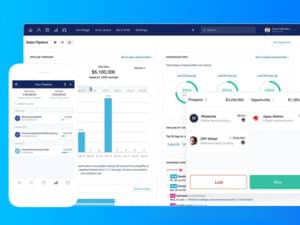
The value of CRM is not just to store phone calls and emails, but to put customer data, communication history, business opportunities, quotes, orders, and follow-up tasks in the same process. Managers can see the sales funnel and frontline colleagues have a clear idea of what to do next. Instead of importing complex systems at the beginning, enterprises can start with customer files, opportunity phases and follow-up reminders, and then scale by actual processes.
Still unsure which solution is right for your business? Contact Adaptive to schedule a free 30-minute consultation and discover the digital solution that best fits your needs.
Frequently Asked Questions (FAQ)
Q: When is Excel no longer suitable for managing customers?
A: When customer data becomes scattered, the number of leads to follow up on increases, or the business begins to experience missed follow-ups, redundant outreach, or difficulty in tracking sales progress, it is time to consider upgrading from Excel to a CRM system.
Q: Is CRM only for large enterprises?
A: No. Small and medium-sized enterprises (SMEs) can start with the basics—such as customer profiles, sales opportunity stages, and follow-up reminders—and expand the system gradually based on their specific needs.
Q: What data should be organized before implementing a CRM?
A: It is recommended to organize your customer lists, contact information, current follow-up statuses, assigned owners, and records of quotes and orders.
Contact Us
Company name:Adaptive Consultants Limited
Phone:+852 5209 7807
Email:tiffanycheng@adaptivegp.com
For other inquiries, please call +852 2132 5513 or contact us via WhatsApp for a real-time response.